Call: (810) 674-3060


How Should You Care for Your White Fillings After Treatment in Burton?
Have you undergone white fillings treatment in Burton? You’re probably loving how natural and smooth they look. Composite (white) fillings are a top pick for good reason—they match your teeth, so most people won’t even notice you have them. But just like any dental work, they need some TLC to stay looking clean and last a long time. Here’s what you need to know to keep your smile in great shape after you leave the dentist’s chair.
What are white fillings?
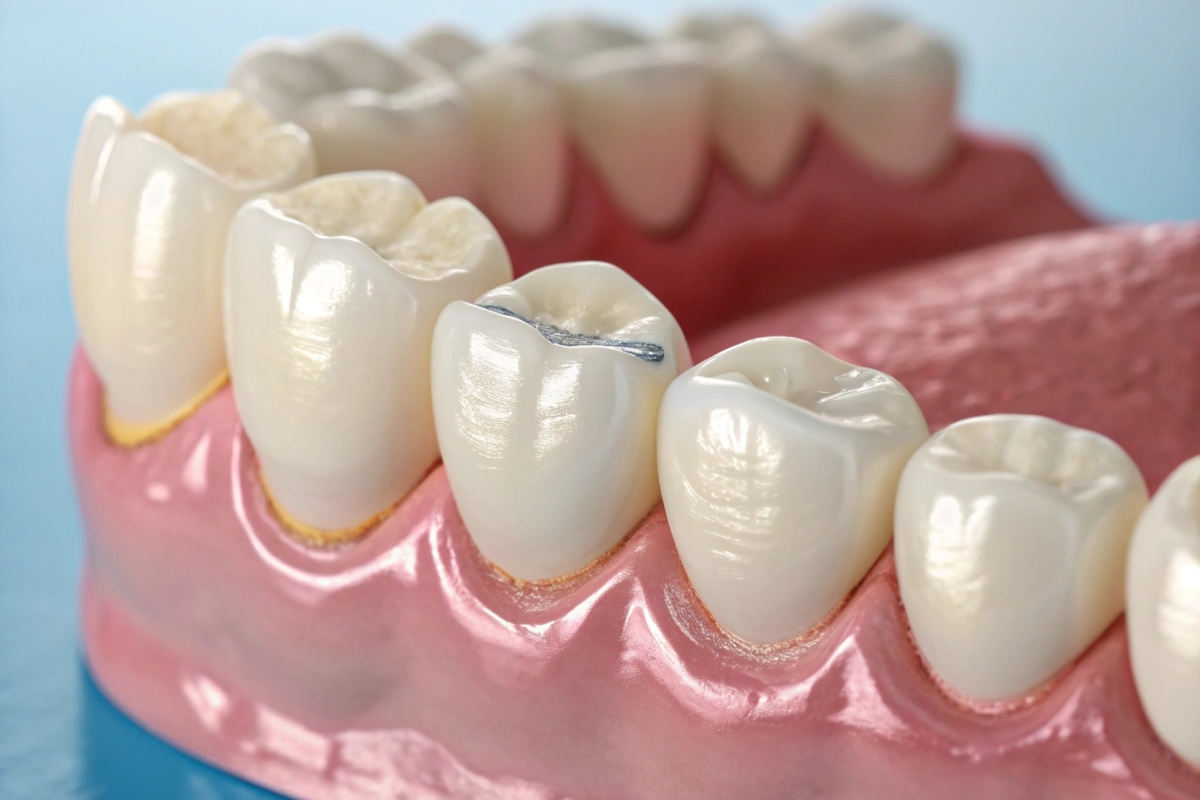
White fillings are made from a composite resin that your dentist can color-match to your real teeth. Unlike old-school silver fillings that stand out, these blend right in—especially handy for your front teeth. They’re strong and resist everyday wear, but they do need a bit more attention than traditional metal fillings.
How do you take care of the fillings?
- Avoid Hard Foods Immediately After Treatment
Start by being careful with what you eat right after your appointment. Your dentist will tell you to avoid hard or sticky foods for about 24 hours. Even though the filling hardens fast, giving it a little extra time helps it settle in your mouth and stay in place. Avoid hard candy, ice, caramel, taffy, and crunchy snacks on the first day after treatment.
- Practice Good Oral Hygiene
Stick to your regular brushing and flossing routine even after the filling treatment. Brush at least twice a day with fluoride toothpaste and floss daily. This keeps plaque from building up around your new filling, which can lead to more cavities. Use a soft-bristled toothbrush and don’t brush too hard; gentle circles do the trick, especially while the white filling is still fresh. If you want to go the extra mile, a fluoride mouthwash adds another layer of protection.
- Regular Dental Checkups
Don’t forget about your dental checkups. Regular visits to your Burton dentist matter, even if your teeth feel fine. Your dentist keeps an eye out for early signs of wear, discoloration, or anything else that could affect your fillings.
- Avoid Teeth Staining Habits
Speaking of discoloration, white fillings resist stains, but they’re not invincible. Coffee, tea, red wine, soda, berries, and tomato sauces can all leave their mark over time, as can smoking or other tobacco use. If you can’t skip your morning coffee or a glass of wine, just brush your teeth afterward to keep things bright.
- Protect Your White Fillings from Grinding and Clenching
If you grind your teeth at night, let your dentist know. Grinding (bruxism) can really wear down your fillings and even crack them. A custom mouthguard can save both your fillings and your natural teeth. And if stress is causing the problem, try some relaxation techniques to help break the habit.
So, why go with white fillings in Burton?
They look great, work well, and, with a bit of care, last. Stay on top of brushing, avoid hard foods, and see your dentist regularly. That’s all it takes to keep them in good shape.
Taking care of white fillings isn’t complicated. A bit of extra attention here and there goes a long way. And if you have questions or need a checkup, just call our dentist in Burton. They’re here to help you keep your smile looking its best—book your appointment to keep those fillings strong and bright.
FAQs
1. How long do white fillings last?
White fillings can last between 5 and 10 years with proper care. Regular checkups and good oral hygiene can extend their lifespan.
2. Can I drink coffee after getting white fillings?
It’s best to avoid coffee for the first 24 hours after getting your white fillings. After that, enjoy it in moderation and brush your teeth afterward to prevent staining.
3. Are white fillings prone to cracking?
White fillings are durable, but they can crack if subjected to excessive pressure, such as grinding or chewing hard foods. Using a nightguard can help protect them.
4. Do I need to replace white fillings over time?
White fillings may need to be replaced over time due to wear and tear. However, if properly cared for, they can last many years before replacement is necessary.