Call: (810) 674-3060


Routine Cleaning vs. Deep Cleaning: Which Does Your Mouth Need
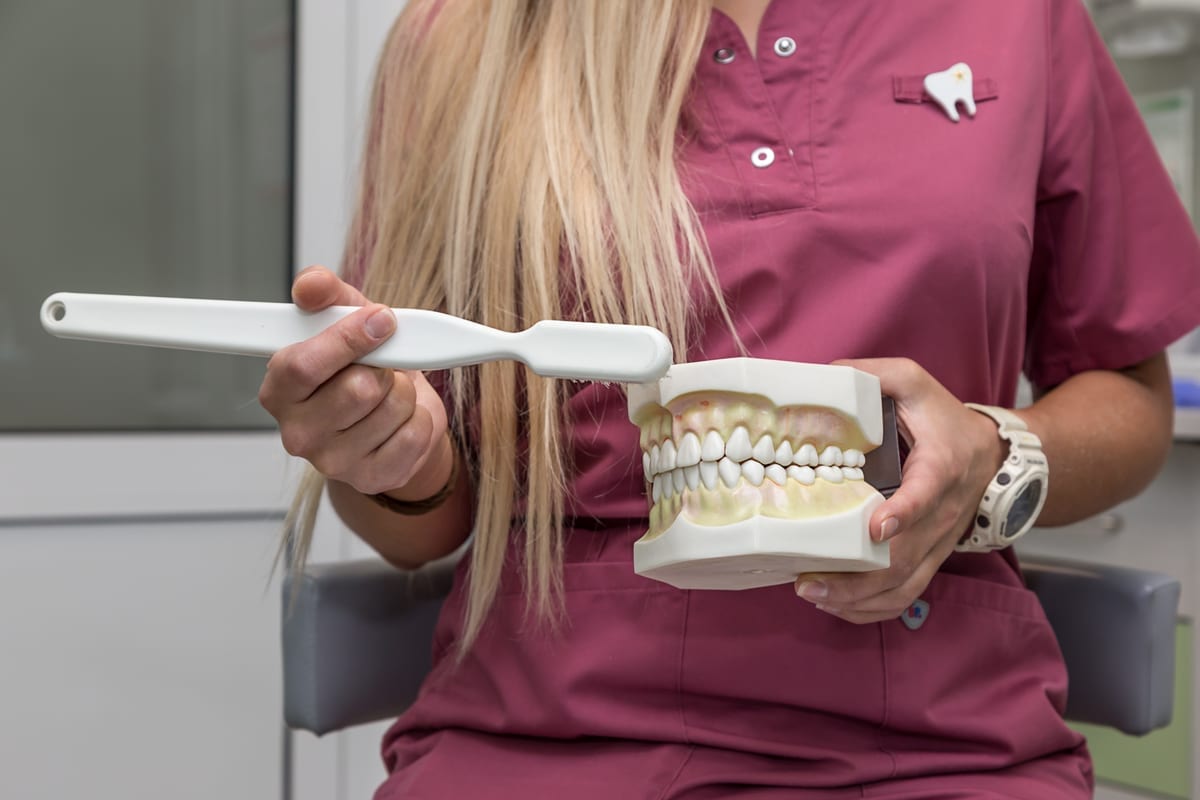
If your dentist has ever mentioned a deep cleaning, you may have wondered how it differs from your regular visit. Understanding the difference between routine cleaning vs. deep cleaning and which your mouth needs in Burton is more important than most patients realize. Both procedures protect your oral health, but they serve very different purposes. Dr. Chintan Shah at Burton Family Dental wants you to walk into every appointment fully informed.
What Happens During a Routine Teeth Cleaning?
A routine cleaning, called a prophylaxis, is a preventive procedure. It removes plaque and tartar from tooth surfaces above and just below the gumline. Most patients need this done every six months to maintain healthy gums and teeth.
During a standard cleaning, a dental hygienist uses specialized tools to scale away buildup. They also polish your teeth and may apply fluoride. The process is straightforward, comfortable, and usually completed in under an hour.
Routine cleanings work best when gum disease is not present. They keep early-stage issues from progressing into something more serious. Think of them as maintenance for a mouth that is already in good health.
- Removes surface plaque and tartar buildup
- Polishes enamel to reduce future plaque adhesion
- Checks for early signs of gum disease or decay
- Usually completed in one comfortable appointment
- Recommended every six months for most adults
What Is a Deep Cleaning and Why Is It Different?
A deep cleaning, clinically known as scaling and root planing, goes further than a standard prophylaxis. It targets bacteria and tartar that have settled below the gumline, where regular brushing cannot reach. This procedure is a treatment, not just maintenance.
During scaling, your hygienist removes hardened deposits from the tooth root surfaces. Root planing then smooths those surfaces so bacteria have fewer places to cling. This combination helps your gums reattach to the teeth and heal properly.
Deep cleanings are typically completed over two appointments. Each session focuses on one side of the mouth. Local anesthesia is often used so you stay comfortable throughout the process.
- Treats gum disease at the source beneath the gumline
- Removes tartar deposits from tooth root surfaces
- Smooths root surfaces to discourage bacterial regrowth
- Reduces gum pocket depth over time
- Helps prevent tooth loss caused by advanced gum disease
How Dentists in Burton Determine Which Cleaning You Need
Dr. Shah uses a simple but precise tool called a periodontal probe to measure gum pocket depth. Healthy pockets measure between one and three millimeters. Pockets of four millimeters or more signal that gum disease may be present.
X-rays also help reveal bone loss around the teeth. Bone loss is a key sign that infection has moved beyond the surface. These measurements and images together guide the recommendation for routine cleaning vs. deep cleaning for Burton patients.
Other factors matter too. Bleeding during brushing, persistent bad breath, and receding gums are warning signs your dentist will note. If you notice any of these symptoms, do not wait until your next scheduled visit to bring them up.
Early diagnosis makes a significant difference in treatment outcomes. Catching gum disease at stage one or two often means a deep cleaning is enough to reverse the damage. Waiting too long may require more advanced care.
What to Expect After Each Type of Cleaning
After a routine cleaning, most patients experience little to no discomfort. Your teeth may feel smoother and your breath fresher. Some mild sensitivity can occur if significant tartar was removed, but this fades quickly.
Recovery after a deep cleaning takes a bit more time. Gum soreness and sensitivity to hot or cold foods are common for a few days. Your dentist may recommend a prescription rinse or a follow-up appointment to monitor healing progress.
Consistent home care is critical after either procedure. Brush twice daily with a soft-bristled toothbrush and floss every night. These habits protect the work your dental team has done and keep future cleanings straightforward.
Connecting Cleanings to Your Overall Dental Care in Burton
Gum health connects directly to the rest of your oral care plan. Untreated gum disease can complicate other treatments like dental crowns, veneers, and Cosmetic Dentistry Burton procedures. Healthy gums are the foundation every other dental service is built upon.
Gum disease can also affect your overall health. Research links periodontal disease to increased risk of heart disease and diabetes. Taking cleanings seriously is about more than just your smile.
Dental emergencies sometimes stem from ignored gum problems. Severe infections can develop quickly when gum disease goes untreated. If you ever experience sudden tooth pain or swelling, Emergency Dentistry Burton is available at Burton Family Dental to help you right away.
Dr. Shah takes a whole-mouth approach with every patient. He looks at how your cleanings fit into your broader health picture. This means your cleaning appointment is never just about removing tartar — it is a full evaluation of your oral wellness.
Conclusion: Know What Your Mouth Needs
The choice between routine cleaning vs. deep cleaning depends entirely on the current state of your gum health in Burton. Routine cleanings maintain healthy mouths and prevent problems from starting. Deep cleanings treat active gum disease and restore the health of affected tissue. Both are essential tools, and knowing which one applies to you empowers you to make better decisions for your smile. Dr. Chintan Shah and the team at Burton Family Dental are here to guide you every step of the way. Book Now to schedule your appointment with our team.
Frequently Asked Questions
How do I know if I need a deep cleaning instead of a regular one?
Your dentist measures gum pocket depth during your exam. Pockets of four millimeters or deeper, combined with signs like bleeding gums or bone loss on X-rays, usually indicate that a deep cleaning is necessary. Only a dental professional can make this determination accurately.
Is a deep cleaning painful?
Most patients tolerate deep cleanings very well with local anesthesia. You may feel pressure or vibration, but significant pain is uncommon. Some soreness and sensitivity in the days following the procedure is normal and typically resolves within a week.
How long does a deep cleaning take?
A deep cleaning is usually split into two appointments, each focusing on one half of the mouth. Each session typically lasts between 45 minutes and an hour. This approach keeps the procedure manageable and allows your mouth to begin healing between visits.
Can gum disease come back after a deep cleaning?
Yes, gum disease can return without consistent home care and regular dental visits. After a deep cleaning, your dentist may recommend more frequent follow-up cleanings, often every three to four months. Diligent brushing, flossing, and professional monitoring help keep gum disease from recurring.
Does a routine cleaning prevent gum disease from developing?
Routine cleanings are one of the most effective ways to prevent gum disease. They remove the tartar buildup that brushing alone cannot eliminate. Combined with daily flossing and good nutrition, regular professional cleanings significantly reduce your risk of developing periodontal problems.