Call: (810) 674-3060


Managing Dental Phobia: How Sedation Dentistry Helps Overcome Anxiety In Burton
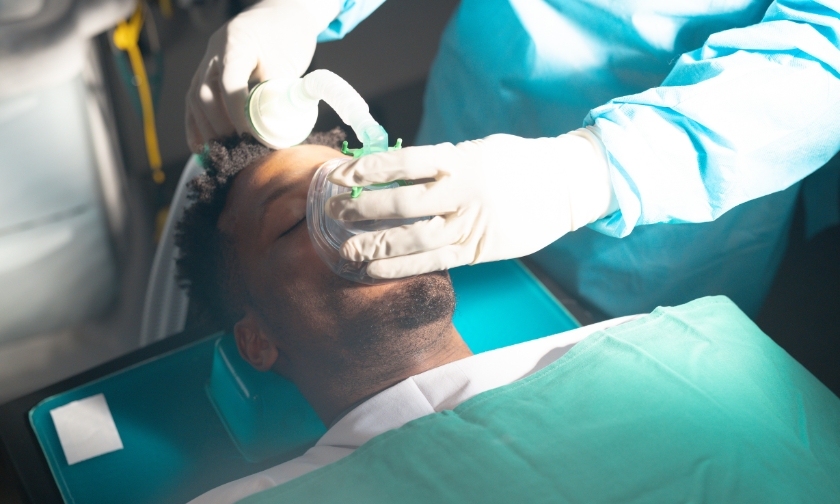
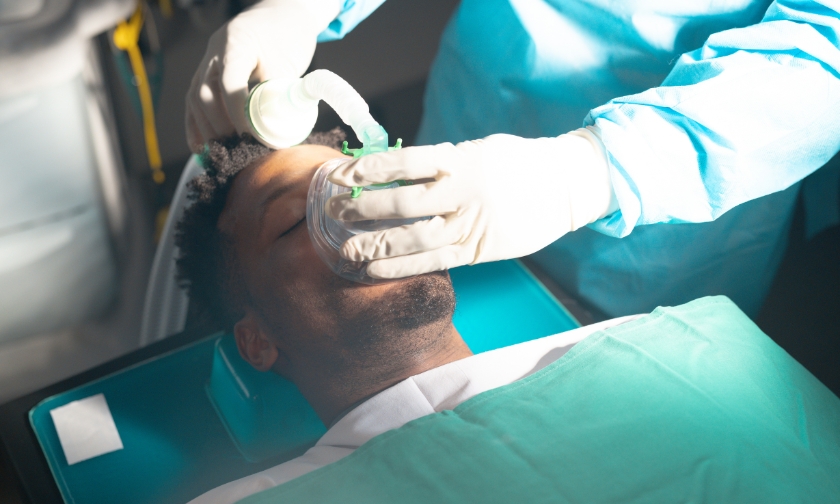
Odontophobia or dental anxiety is a common problem for many people, with varying degrees from a mild concern to extreme fear of the dentist’s office. This can ultimately lead to the avoidance of necessary dental treatments and, subsequently, to severe issues with your oral health. Whether the fears stem from a previous traumatic experience, fear of needles, or sounds associated with dental tools, these anxieties can result in individuals avoiding treatment altogether.
Fortunately, if you or someone you know is so scared of the dentist that they avoid it altogether, there’s a solution: sedation dentistry. Also known as twilight dentistry, it helps patients overcome their anxieties. Using this technique, patients can unwind and feel more at ease in the dental office. Additionally, the process enables patients to maintain good oral hygiene in a comfortable, confident manner by easing both physical and emotional strain.
What is Sedation Dentistry?
Sedation dentistry, or sleep dentistry, uses medication to help patients relax during dental procedures. It’s best for anyone with extreme anxiety, low pain tolerance, or trouble sitting still in the dentist’s chair. Sedation methods depend on the severity of your anxiety, and they are individualized for each patient.
A sedation dentist will select the method best suited to your comfort level and the complexity of the procedure for sedation dentistry in Burton. Nitrous oxide (laughing gas), oral sedatives, and intravenous (IV) sedation are the most widely used types. Nitrous oxide is most often used for mild anxieties, while oral and IV sedatives are more effective for intense fears or longer procedures.
The Role of Sedation Dentistry in Dental Phobia Management
Dental fear can take many forms, ranging from minor anxiety to severe panic attacks. For people with extreme fear, a simple cleaning even is scary. Here’s how sleep dentistry works to combat these fears:
- Sedation: The primary purpose of sedation is to help patients relax during their treatment. With sedation, you’ll be calm and relaxed, allowing the dentist to perform procedures without you feeling pain. This is particularly helpful for people who have phobias about the sounds or pressure involved in dental work.
- Minimized Procedure Memory: For many patients, the fear of dental visits stems from being able to recall the procedure. Sedation will also help limit how much you remember about the procedure, so that when you leave your office, you’re focused on feeling good about yourself rather than thinking about the process.
- Pain Reduction: Though sedation doesn’t directly numb the area, it does reduce sensitivity to pain. This leads to a relaxed state in which patients may not feel discomfort like they normally would without sedation. This is beneficial for the low-pain-tolerance population.
- Minimize Complex Procedures: If a patient requires more extensive work, such as extractions, root canals, or fillings, conscious sedation can help make the process smoother. It soothes patients during lengthy procedures and allows the dentist to work more quickly.
Types of Sedation Dentistry
Depending on the anxiety level and treatment difficulty, there are different sedation options available. Here are some of the most common methods to do this:
- Nitrous Oxide (Laughing Gas): A lightweight form of sedation that creates calm relaxation. It fades quickly, allowing patients to return to their normal activities immediately after the procedure. It is normally only used in minor treatments and for patients with mild anxiety.
- Oral Sedatives: Taken as tablets before your appointment. They help you feel relaxed and at ease during the procedure. Similar to a tranquilliser, oral sedatives are ideal for people who are moderately anxious.
- Intravenous (IV) Sedation: IV sedation suits patients with more severe anxiety or complicated treatments. Because this medicine is given straight into your bloodstream, it works better. This helps to keep you calm and relaxed, and in some cases, you might even fall asleep during your appointment.
All of these sedation types are tailored to the individual, providing a more comfortable, almost stress-free treatment.
Why You Should Consider Sedation Dentistry In Burton
There are benefits to sleep dentistry, especially for people who have dental anxiety. It calms you and makes you comfortable, relieves anxiety, and prevents the effectiveness of medication treatment. This way, you will receive both treatments without fear or pain.
- Reduces Fear and Anxiety: The most obvious advantage of conscious sedation is that it helps with dental anxiety. Because it relaxes patients, sedation makes going to the dentist so much more tolerable and can be especially beneficial for those who have struggled in the past with dealing with fear.
- Enhances Treatment Efficacy: Relaxed patients allow the dentist to perform more efficient, precise work. Sedation enables the dentist to work methodically without pressure, reducing the risk of complications and improving outcomes.
- Enhances Patient comfort: Those who feel pain or discomfort during dental procedures will think very carefully about their next visit. The sedation ensures they remain relaxed throughout, making future return visits for additional treatment less stressful.
- Fewer Visits Required: Dentists can perform multiple procedures in a single visit with sleep dentistry. This is especially beneficial for patients who put off going to the dentist because of the time and discomfort involved.
When Is Sedation Dentistry Recommended?
Sedation dentistry isn’t just for individuals with extreme phobias; there are plenty of other reasons why sedative dentistry is a good option for your oral health. Here are a few scenarios where sedation may be advised:
- Fear of needles, drills, or specific dental tools
- Previous traumatic dental experiences
- Sensitive teeth or gums
- Difficulty getting numbed up with local anesthesia
- Undergoing extensive dental restoration in one appointment
- A medical condition that makes it difficult to sit still for extended periods of time
If you are not sure whether sleep dentistry is right for you, contact a sedation dentist for a consultation to determine which option best suits your needs.
The First Step Towards Having A Comfortable Visit
Dental anxiety can be a challenge during oral surgery. At Burton Family Dental, we believe you should never have to suffer in silence. Conscious sedation could make your visits more enjoyable and less anxiety-inducing.
So if dental anxiety has stopped you from going to regular dental visits, it’s time to take the first step toward having an easier treatment. Call Burton Family Dental today and schedule a consultation. We will develop a treatment plan together that works for you and your worries, and helps restore control of your teeth.
Questions People Ask About Sedation Dentistry
is sedation dentistry what?
Sedation dentistry uses medication to help you relax during dental procedures. It’s ideal for anxious patients, making visits more comfortable by reducing fear and discomfort, allowing you to undergo treatments with ease and calmness.
Is sedation dentistry safe?
Yes, conscious sedation is safe when administered by a trained sedation dentist. The dentist carefully monitors your vital signs, ensuring the appropriate level of sedation for your comfort and safety throughout the procedure.
How do I know if I need sedation for my dental visit?
Sedation is recommended if you feel anxiety, fear, or difficulty staying still during dental visits. It’s also useful for lengthy procedures or those that require extensive work, making the treatment more comfortable.
What are the different types of sedation used in dentistry?
Common types include nitrous oxide (laughing gas), oral sedatives, and intravenous (IV) sedation. The type of sedation depends on your anxiety level, the complexity of the procedure, and your specific comfort needs.
Will I feel pain during the procedure with sedation?
Sedation reduces sensitivity, and local anesthesia is often used alongside it for pain relief. While you may feel relaxed, you should not feel pain, ensuring a comfortable and stress-free dental procedure.
How long will the effects of sedation last?
The duration of sedation varies. Nitrous oxide wears off quickly, while oral or IV sedatives can take longer to fully leave your system. You may need assistance to drive home after stronger sedation methods.