Call: (810) 674-3060


Is a Crown Essential for Root Canal Success?
Blog Summary
“This blog explains whether a dental crown is essential after a root canal. It discusses why teeth become weak after treatment, how crowns protect them, when you may or may not need one, what can happen if you skip it, how long your results can last, and how to care for your restored tooth. It is designed to help you make a confident decision before or after a root canal.”
Hearing that you need a root canal can already feel stressful, but the uncertainty often increases when your dentist also recommends a crown afterward. Many patients think the root canal alone should repair the tooth, and they are surprised to learn that the treatment is only the first step. Cost concerns, misconceptions, and fear of unnecessary treatment often cause people to question whether a crown is really needed.
The truth is that a root canal saves a tooth from infection, but the procedure also weakens the natural structure. Without proper protection, the tooth is far more likely to break, develop problems, or fail over time. According to public dental health data in the U.S., millions of root canals are completed each year with high success rates, but the long-term success often depends on restoring the tooth correctly. This is where the role of a dental crown becomes important.
Ready for a Stronger, Healthier Smile? Contact Us Today!

Thank you for taking the time to learn more about why crowns play such an important role in protecting your tooth after a root canal. At Burton Family Dental, our team is committed to making every visit comfortable, informative, and centered around YOUR long-term oral health. With a warm, family-focused approach and a dedication to gentle, high-quality care, Dr. Chintan Shah and the team take pride in helping patients feel confident and supported every step of the way.
Whether you’re preparing for a root canal or deciding if a crown is the right next step, we’re here to guide you with clarity, compassion, and expertise. Your smile deserves the very best—so why wait? Schedule an appointment today and let us help you protect your restored tooth and enjoy a healthier, worry-free future.
Why a Tooth Becomes Vulnerable After a Root Canal
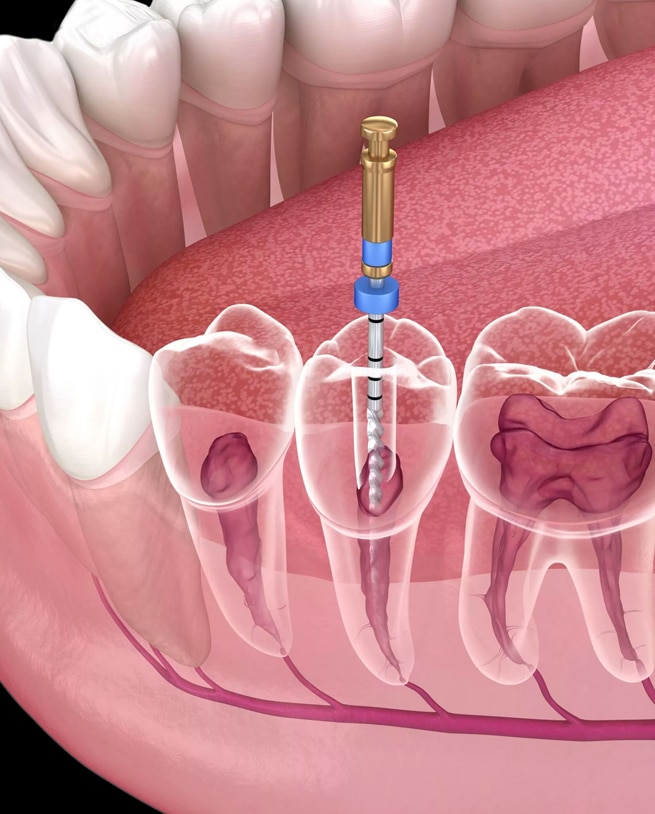
During a root canal, infected pulp is removed from inside the tooth. This eliminates pain and stops the spread of infection, but it also removes the living tissue that once gave the tooth strength. Because the tooth is no longer nourished from within, it becomes more brittle. The infection itself may have also damaged the tooth before treatment even began.
This means that while the tooth is now clean and safe, it is not as strong as it used to be. A normal bite, especially the pressure applied by back teeth, can be too much for a treated tooth that has lost a significant amount of healthy structure. Without additional protection, the tooth may crack or break in the future.
How a Dental Crown Protects the Treated Tooth
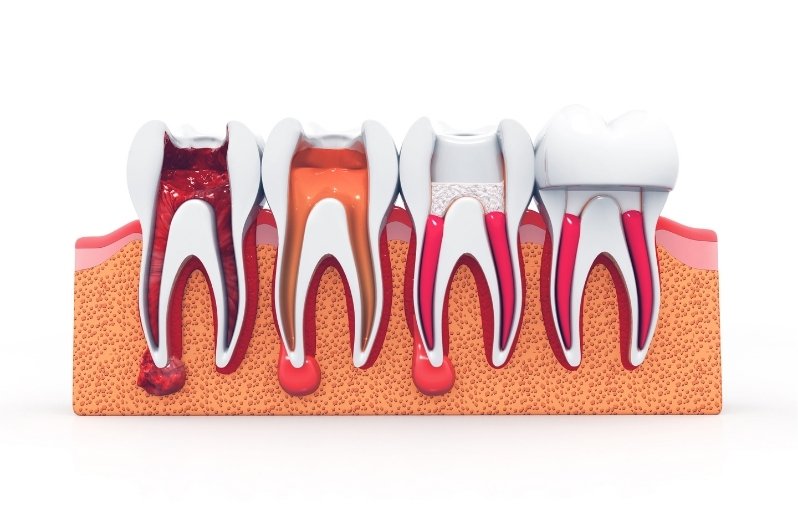
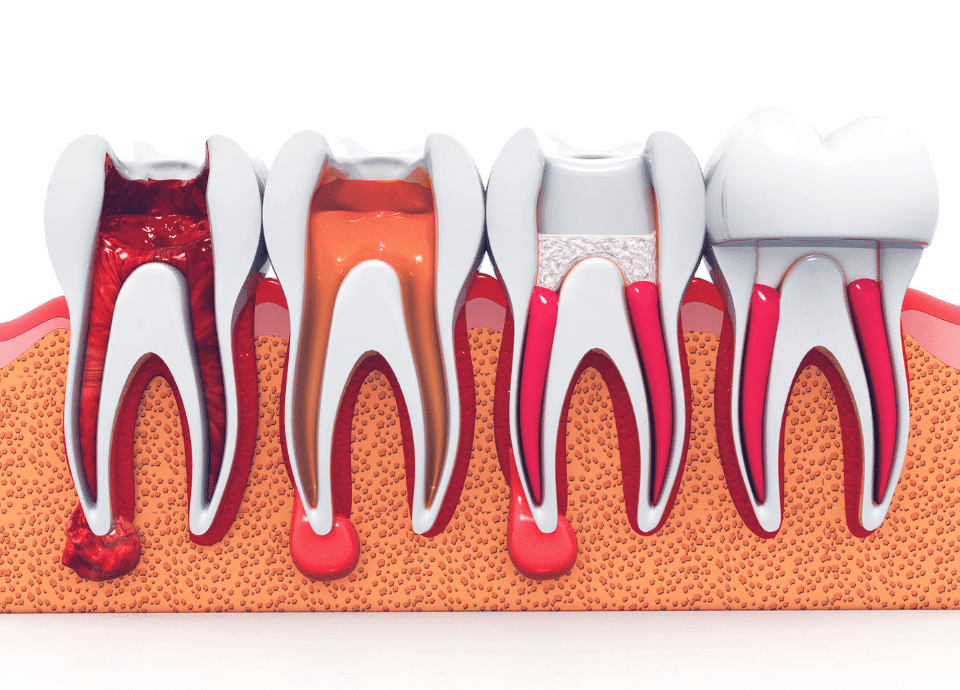
A dental crown works like a protective shell that completely covers the weakened tooth. Once placed, the crown takes on the force of chewing, biting, and grinding, which keeps the natural tooth underneath safe. Instead of a fragile tooth carrying the load, the strong crown absorbs the pressure and distributes it evenly.
Crowns also seal the tooth, which helps keep bacteria out. This is important because even though the inside of the tooth has been treated, the outside still needs protection to prevent future infection. Beyond strength and safety, a crown also restores the shape and appearance of the tooth, helping it look and function like it did before the damage occurred.
Dr Shah is the most caring, gentle dentist I have ever been to . He’s very easy to talk to and listens to you and your concerns . Talks to you through every step of the way. My visit with him for a root canal was very comfortable he was very kind and understanding of my fear . I had NO pain and was relaxed the whole time . I found my forever dentist and would recommend him to everyone . – Amy Anger
Don’t just take our word for it. Explore our real patient Google reviews and feel confident in choosing our care.
Do All Root Canal Teeth Need a Crown?
Not every tooth requires the same level of protection. Teeth in the back of the mouth—molars and premolars—almost always need crowns because they handle the majority of chewing force. These teeth are at a high risk of cracking if left unprotected. When a molar has a large filling or major decay, the need for a crown becomes even more important.
Front teeth, however, do not take the same amount of pressure. In some cases, if a front tooth still has most of its natural structure intact, a small filling may be enough. But if the tooth was significantly damaged, cracked, or weakened before the root canal, your dentist may still suggest a crown to restore strength and appearance.
The decision depends on the amount of remaining tooth structure, your bite, the location of the tooth, and the overall condition of your mouth.
If you’re dealing with persistent tooth pain or sensitivity and aren’t sure whether it’s a sign of something more serious, you can learn more about the warning signs that indicate when a root canal may be necessary in our earlier post.
What Can Happen If You Skip the Crown?
Many people choose not to get a crown because they feel fine after the root canal. Unfortunately, problems often appear months or years later. A tooth without a crown can easily chip or develop small fractures that grow deeper with time. Once a crack extends into the root, the tooth may no longer be repairable. Even though the root canal was successful, the tooth may eventually need to be removed simply because it did not receive the proper protection.
A reinfection is also possible if the outer structure becomes damaged, allowing bacteria to reach the treated area. What may seem like a cost-saving decision at first often leads to the need for more extensive and expensive treatment later.
How Long Does a Crowned Root Canal Tooth Last?
When properly restored with a crown, a root canal tooth can last many years—sometimes even a lifetime. The crown strengthens the tooth, while your daily brushing and flossing protect the surrounding gum and bone. Many studies in endodontics show that crowned root canal teeth have a much higher survival rate than those restored only with fillings.
Without a crown, the lifespan of the tooth can be significantly shorter. Most untreated root canal teeth fail due to cracks, not infection, which reinforces why covering the tooth matters so much.
Caring for Your Tooth After Treatment
Maintaining a root canal tooth with a crown is quite simple. Good oral hygiene, regular dental checkups, and avoiding biting hard objects like ice or pens help keep the crown and tooth healthy. The crown itself cannot decay, but the gum around it still needs daily care to prevent inflammation and infection.
This means brushing twice a day, flossing once a day, and visiting your dentist for professional cleanings are important parts of protecting your investment.
When You Should Contact a Dentist
If you feel pressure, discomfort, new sensitivity, or notice a crack in the tooth, you should reach out to your dentist immediately. Early evaluation can prevent further complications and keep the crown and root canal functioning well for years.
Root Canals Are Our Specialty — Trust Burton Family Dental
If you want expert guidance on whether a crown is necessary after your root canal, Burton Family Dental is a trusted choice. Root canals are our specialty, and our team focuses on providing gentle, effective care designed to protect your natural teeth for the long term.
At Burton Family Dental, patients receive a thorough evaluation, clear recommendations, and personalized treatment based on the strength and structure of their teeth. The team uses modern technology and a patient-centered approach to make the experience as comfortable as possible.