Call: (810) 674-3060


Is the Metal in a Dental Implant Safe for People with Allergies?
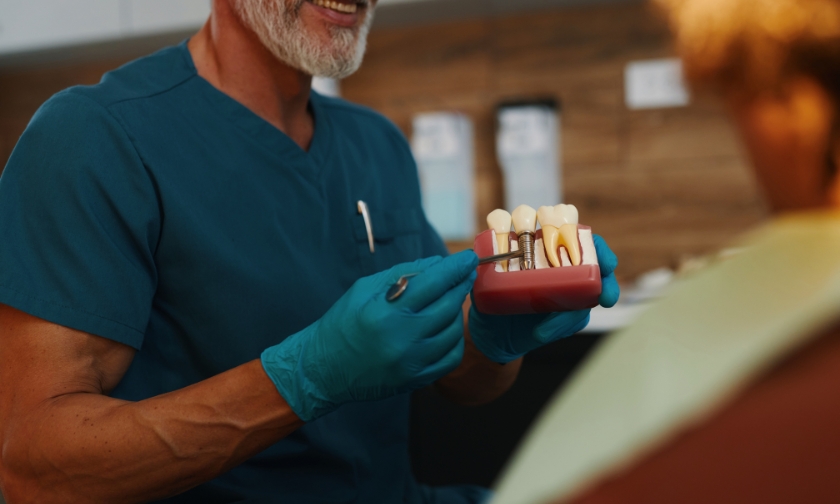
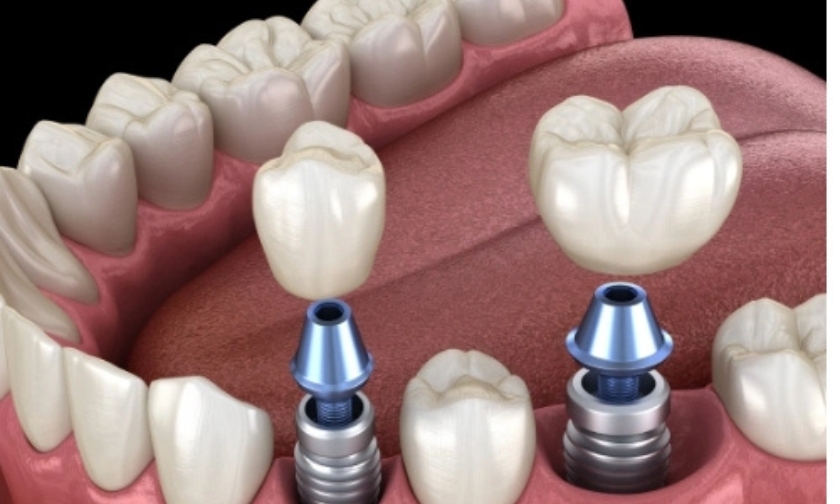
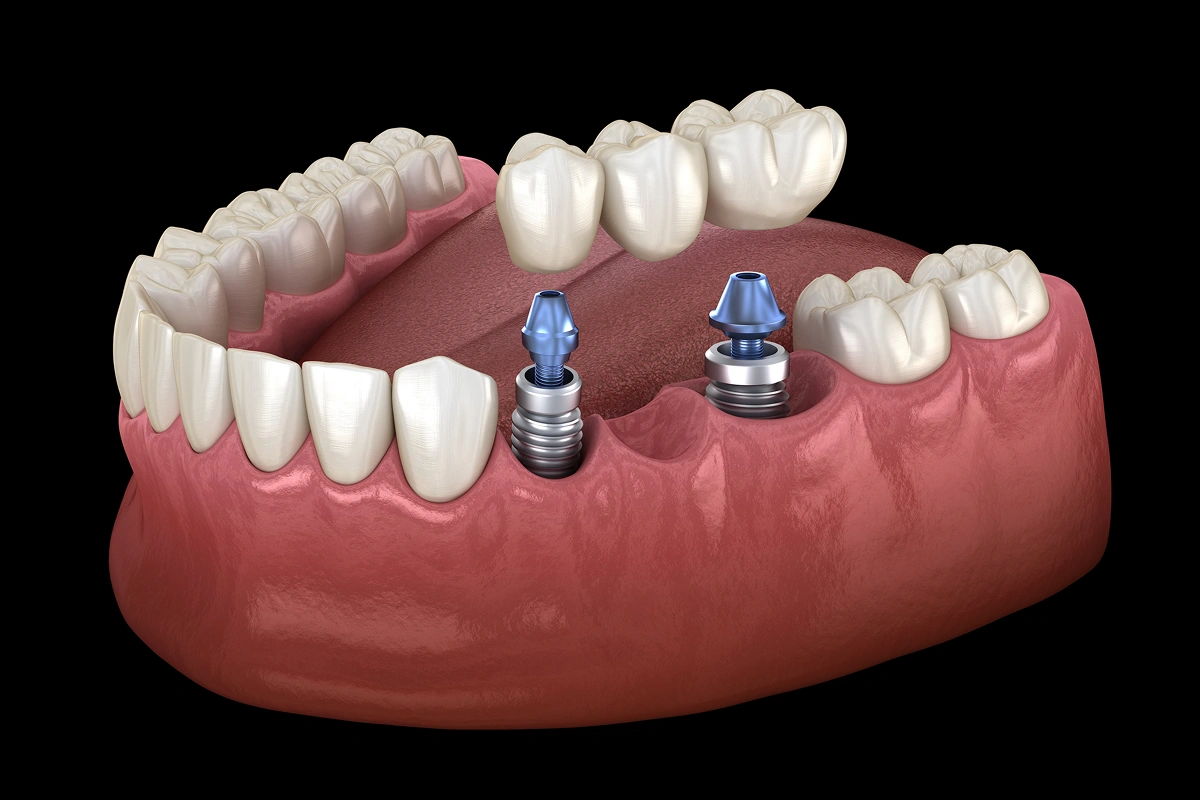
Most people assume that a dental implant is made of solid metal, but the reality is a bit more nuanced. The implant post is almost always made from titanium or a titanium alloy. Titanium has been the go-to material in implant dentistry for decades, and for good reason.
If you’re considering dental implants and you’ve had reactions to metal jewelry, belt buckles, or watchbands before, your concern is completely valid. Knowing what you’re putting in your body matters.
Titanium stands apart from other metals used in medicine because of how well it fuses with bone – a process called osseointegration. It’s also used in pacemakers, joint replacements, and surgical hardware. The material has a track record that spans decades and millions of patients. That said, being widely used doesn’t automatically mean risk-free for every individual, and that’s worth discussing honestly.
How Common Are Allergic Reactions to Titanium?
Here’s some reassuring context: true titanium allergy is rare. Research estimates the rate at roughly 0.6% among implant patients. That’s a small number, but if you’re in that small group, it’s not a minor inconvenience.
Reactions don’t result from titanium itself being inherently allergenic. The mechanism is more complex. Over time, a process called tribocorrosion (in which friction and chemical exposure gradually wear away the implant surface) can release tiny titanium ions. These ions can bond with natural proteins in your body and, in predisposed individuals, trigger a localized immune response.
Patients who already have documented allergies to other metals, such as nickel, cobalt, and chromium, tend to be at higher risk of sensitivity to titanium. This is important context when evaluating whether dental implants are right for you.
Signs That Something Might Be Off
If a reaction does develop, it usually presents as one or more of the following:
- Persistent swelling or tenderness around the implant site
- A rash on or near the gum tissue
- Unexplained loosening of the implant
- Chronic inflammation that doesn’t resolve with standard treatment
- A general feeling of discomfort that started after placement
These symptoms don’t automatically mean an allergy — they can also indicate other issues, such as an infection or improper placement. Only a dental professional can properly evaluate what’s going on.
Should You Get Tested Before Getting Implants?
If you have a known metal allergy, pre-implant testing is a smart step rather than a precaution you can skip. There are established testing methods, including:
- MELISA (Memory Lymphocyte Immunostimulation Assay): A blood test that identifies immune reactivity to specific metals, including titanium
- Patch testing: A skin-based test used to detect delayed hypersensitivity reactions to various metals
Neither test is routine in most general dental offices, but they are available through allergists or specialized dental clinics. If Burton Family Dental is your provider, discussing your allergy history before any restorative treatment is the right starting point. The team there can help coordinate testing referrals or evaluate your history in the context of your treatment plan.
Are There Metal-Free Alternatives?
Yes, and this is where things have genuinely improved in recent years.
Zirconia implants have emerged as a well-supported alternative for patients who can’t or don’t want to use titanium. Zirconia is a ceramic material. It doesn’t release ions the way metals can, and it doesn’t trigger immune responses through the same pathways. For patients with documented metal sensitivities, zirconia eliminates the core concern entirely.
Beyond the allergy angle, zirconia also has a few other advantages worth noting:
- It’s tooth-colored, which matters aesthetically when gum tissue is thin or may recede over time
- It has a naturally lower tendency to accumulate biofilm, meaning less bacterial buildup around the implant site
- It integrates with bone reliably – modern zirconia systems have improved significantly and now show osseointegration results comparable to titanium in clinical studies
Zirconia isn’t the right choice for every patient in every situation, but for someone with confirmed or suspected metal sensitivity, it represents a legitimate, clinically supported path forward.
What Burton Family Dental Recommends
At Burton Family Dental in Burton, MI, the approach to implant treatment starts with your full health picture including your allergy history. Whether you’ve had reactions to costume jewelry, experienced rashes from metal watchbands, or have a formal allergy diagnosis on file, that information directly shapes which materials are appropriate for you.
Burton, MI residents often ask whether their general health conditions, immune status, or existing sensitivities disqualify them from implants altogether. In most cases, they don’t. They simply inform the treatment path. There’s almost always a viable option — and the goal is always to find the one that works safely for your specific situation.
The dental implants process here is simple: a thorough consultation, a review of your medical and allergy history, appropriate imaging, and a frank conversation about your material options before anything is placed. That pre-treatment stage is where the important decisions happen.
If you’ve been putting off tooth replacement because of allergy concerns, now is a good time to get answers. Burton Family Dental serves patients throughout Burton, MI, and the surrounding Genesee County area. A consultation is the most direct way to find out what’s right for your situation.
Schedule your implant consultation with Burton Family Dental today.
People Also Ask
Can I get a dental implant if I’m allergic to nickel?
Nickel allergy doesn’t automatically rule out implants. Titanium and nickel are separate metals, and most implants don’t contain nickel. However, some alloys do, so disclosing your allergy before treatment is essential to ensure the right material is used.
How long does it take to know if you’re reacting to a dental implant?
Reactions can appear weeks to months after placement. Some patients notice issues during the osseointegration phase, while others develop symptoms later. Persistent discomfort, swelling, or unexplained loosening should always be evaluated promptly.
Can an existing dental implant be removed if an allergy develops?
Yes. If a confirmed allergy is causing implant complications, removal is an option. Once the site heals, a metal-free alternative, such as a zirconia implant, can often be placed, or other restorative solutions can be explored.
Is titanium allergy the same as having sensitive skin to metal jewelry?
Jewelry sensitivity is usually a reaction to nickel, which is commonly mixed into lower-grade metals. Titanium is a distinct material with different chemistry. That said, people with broader metal sensitivity histories are worth evaluating more closely before implant placement.