Call: (810) 674-3060


What Are the Risks of Delaying Root Canal Therapy?

Nobody likes the idea of a root canal. But putting it off? That’s where things can really go wrong. When a tooth gets infected or badly decayed, that infection doesn’t just sit still—it spreads fast. Ignoring it or putting off treatment might sound tempting, but honestly, the risks just aren’t worth it. Acting quickly can save you a ton of pain and way bigger problems later.
Let’s talk about why root canals matter, and what can happen if you drag your feet. Whether you’re facing one right now or just want to keep your teeth in good shape, knowing what’s at stake helps you make smarter decisions about your health.
So, what happens during a root canal?
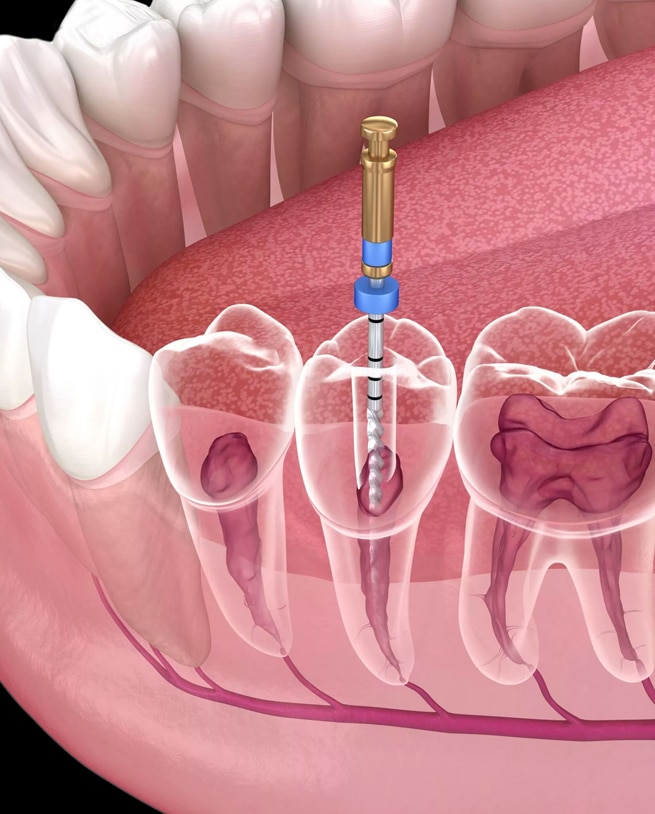
If the pulp inside your tooth – the soft, living part gets infected, it needs to go. This can happen from deep cavities, cracks, or even a hit to the tooth. Your dentist removes the infected pulp, cleans the tooth, and seals it. It might sound scary, but honestly, root canals aren’t a big deal anymore, and they usually save your tooth. The trick is catching the problem early.
Now, here’s what can happen if you wait too long:
1. Tooth Abscess
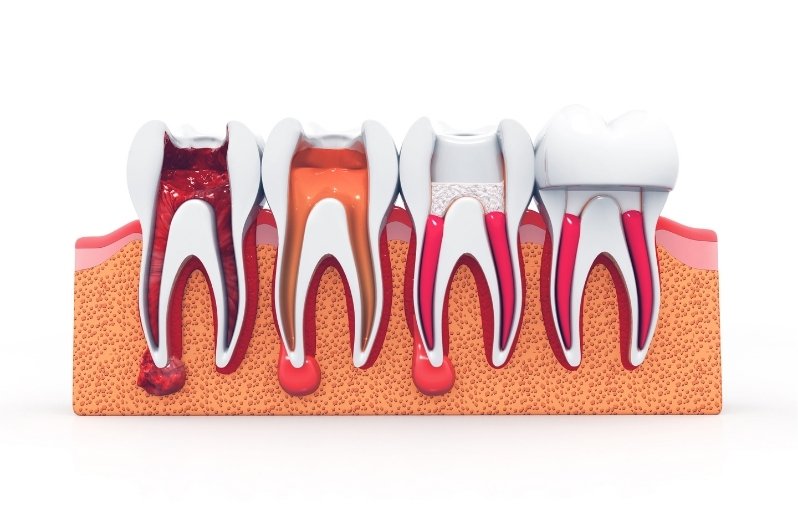
This is the most common problem. When you put off a root canal, the infection can spread and turn into an abscess—basically, a painful pocket of pus in your gums or jaw. It can lead to swelling, severe pain, and, in some cases, a fever. Abscesses need immediate attention, and treating them often requires extensive procedures, such as surgery.
2. Tooth Loss
Leave an infection alone long enough, and your tooth might be too far gone to save. You could end up losing it, which means you’ll need an implant or bridge to fill the gap. Plus, missing a tooth can mess with your bite and cause other problems.
3. Infection Spreads
Dental infections can move into your jawbone, gums, or even other teeth. In some cases, bacteria can enter your bloodstream, leading to serious infections such as sepsis. It’s rare, but it happens—and it’s one more reason not to take chances.
4. Ongoing Pain
Let’s be real—delaying a root canal almost always means more pain. Toothaches that won’t quit, sensitivity to hot and cold, and pain that gets worse over time. The longer you wait, the more complicated it is to manage the pain without major procedures.
5. More Complicated Treatment
The longer you ignore the problem, the more difficult (and expensive) it gets to fix. What could have been a simple root canal might turn into an extraction, a bone graft, or other treatments you’d probably rather avoid.
If you’ve got tooth pain, swelling, or sensitivity, don’t wait around. The sooner you see your dentist, the easier it is to treat. Putting off a root canal and you’re basically inviting bigger problems. But if you act fast, the whole thing is usually pretty straightforward.
Bottom Line
Delaying a root canal puts your teeth and your overall health at risk. If you notice pain or swelling, don’t ignore it. Talk to your dentist—they’ll walk you through your options and help you avoid bigger trouble down the road.
Think you might need a root canal? Don’t wait. Visit Burton Family Dental and set up an appointment. Catching things early saves your tooth and spares you a lot of pain later.
FAQs
1. How can I tell if I need a root canal?
Common signs include persistent tooth pain, sensitivity to temperature changes, swelling around the tooth, or a pimple-like bump on the gums. If you notice any of these, contact your dentist for an evaluation.
2. Can I wait to get a root canal if I’m not in pain?
Even if you’re not experiencing pain, the infection could still be present and spreading. Delaying treatment could lead to worse complications later on.
3. Is root canal therapy painful?
Root canal treatments are performed under local anesthesia, keeping you comfortable throughout the procedure. Post-treatment discomfort is usually minimal and can be managed with over-the-counter pain relief.
4. How long does a root canal take?
Root canal treatments typically take one to two hours, depending on the complexity of the case. Your dentist will be able to provide a more accurate time estimate during your consultation.